Introduction: Delhi is steeped in history, with a rich tapestry of architectural marvels that reflect the various influences it has witnessed over the centuries. On the summer vacation, let’s explore some of the best historical places to visit in Delhi.
From ancient ruins to magnificent Mughal structures and colonial-era monuments, each site tells a story from India’s past, reminding us of the struggle and sacrifice that eventually led to the country’s independence.
1: Lotus Temple: East of Nehru Place, this temple is built in the shape of a lotus flower and is the last of the seven Baha’i temples built around the world. It was completed in 1986 and is surrounded by lush gardens.
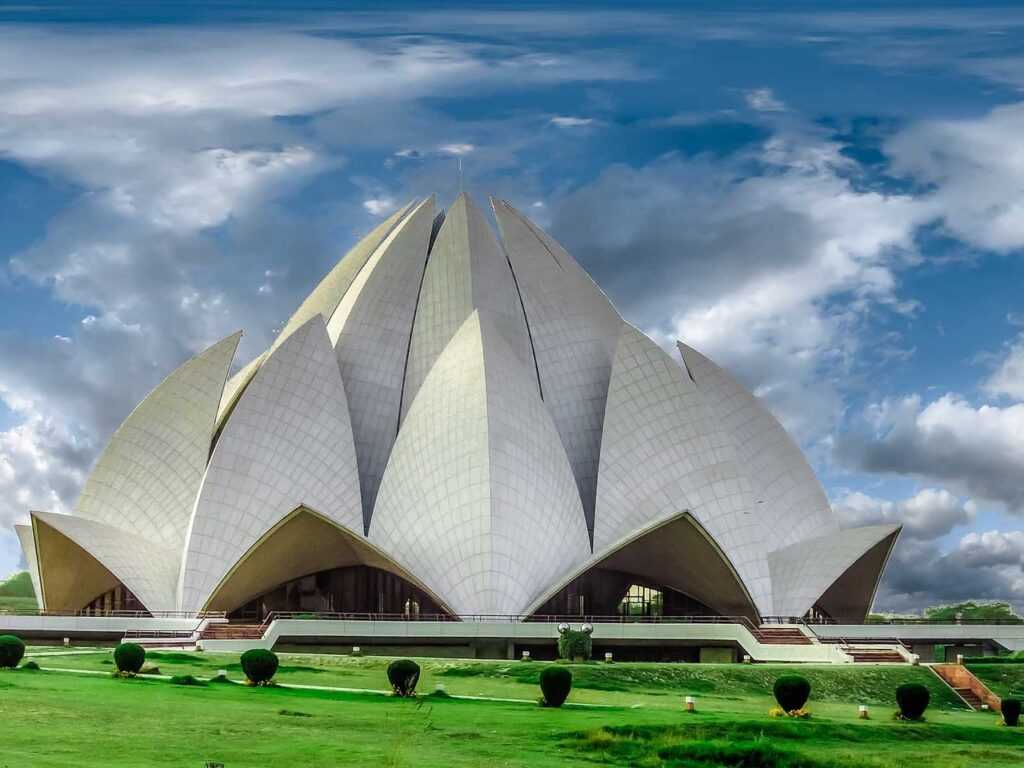
The structure is made of pure white marble and the architect Voripurse Sabha chose the lotus flower as the common symbol of Hinduism, Buddhism, Baha’i Mandir, Jainism, and Islam. Followers of any religion can visit the temple to pray or meditate.
Surrounding the blooming petals are nine ponds of water sparkling with natural light. It looks stunning in the evening when lit up.
- Location: Near Kalkaji Mandir, East of Nehru Square Nearest metro station: Kalkaji Temple
- Open: Tuesday to Sunday
- Closed on Monday
- Timings: 9 am to 5:30 pm
- Entry is free
- Photography: Inside the temple is not allowed.
Also Read: Unveiling the Marvels of Northern India: A Magical Tour of Agra, Delhi, Jaipur, and Ranthambore
2: India Gate: Located in the heart of the city, India Gate is one of the most iconic and famous monuments of India. It was designed by Edwin Lutyens and its foundation was laid in 1920. It stands 42 meters tall. The High War Memorial was opened in 1933 and is a tribute to the 70,000 British soldiers who lost their lives in various battles.

The building has the names of 13,500 of the martyrs of the World War inscribed on its walls. After Independence, India Gate became the site of the ‘Amar Jawan Jyoti’, the tomb of an unknown soldier of the Indian Army. The moving fountains and well-maintained green lawns around the monument make it a great place for picnics and family outings.
- Schedules
24 hours a day (some areas are inaccessible to visitors after dark) - Nearest Metro Station
Central Secretariat (Yellow Line/Purple Line)
Also Read: Golden Triangle Escapade: Exploring Agra, Delhi, and Jaipur in One Unforgettable Journey
3: Rajpath: It runs from Rajpath, which means “the path of the king” and is a ceremonial route used during Republic Day every year. It is located in the central part of Delhi and stretches from Vijay Chowk and India Gate to Rashtrapati Bhavan, making it easily accessible from all corners of the capital.

Known as one of the most important roads in India, it was designed by Edwin Lutyens, who was also the architect of the grand Viceroy Palace and Rashtrapati Bhavan. The presence of green meadows and canals on both sides of the road breathes new life into the whole place, making it an ideal Delhi day tour place to visit with family.
- Schedules
Hours: 24 hours (open every day) - Nearest Metro Station
Central Secretariat (Yellow/Violet Line)
4: National Police Memorial: At a solemn ceremony held on October 21, 2018, His Excellency Prime Minister Sheikh. Narendra Modi paid floral tributes to the brave police officers who laid down their lives while protecting the security of our motherland and remembered the brave police officers who made the supreme sacrifice. He also dedicated to the nation the newly built National Police Memorial at Chanakyapuri, New Delhi.

Located at Shantipath Shekhar in Chanakyapuri, New Delhi, the National Police Memorial (NPM) complex is beautiful and can accommodate over 750 people. It offers a panoramic view of the royal stage and ceremonial parade ground in front of you from various angles on the site. The newly built Wall of Courage at the National Palace Museum, on which the names of the martyrs are inscribed, is a tacit acknowledgment of the courage and sacrifice of policeman personnel who have laid down their full lives in the line of duty for India since independence.
5: Jantar Mantar: Jantar Mantar (yantra – instrument, mantra – formula) was founded in 1724. Maharaja Jai Singh of Jaipur, who built this observatory, built other observatories in Ujjain, Varanasi, and Mathura. Jai Singh found that the existing astronomical instruments were too small to take accurate measurements, so he built these larger, more accurate instruments.

Although the Jantar Mantar machinery is known for its ingenuity, it is no longer possible to make accurate observations from here due to the skyscrapers surrounding it.
- Location: Sansad Marg, Connaught Place
- Metro Station: Patel Chowk
- Open daily
- Timings: Sunrise to sunset
- Entry fee: ₹25 (Indian), ₹300
- (Foreign)
- Photography fee: None (₹25 for recording video)
Conclusion: The famous historical places of Delhi are not just relics of the past but living symbols of national pride and unity, reminding us of the importance of preserving and appreciating our heritage for future generations.